

The World Health Organization (WHO) has assessed the current risk of wider transmission of the Nipah virus in India as low, following the confirmation of two cases in the eastern state of West Bengal. Despite the classification, health authorities across Asia have intensified surveillance due to the virus’s high lethality and the absence of an approved vaccine or specific antiviral treatment.
According to WHO officials, India has previously demonstrated the capacity to contain Nipah outbreaks effectively. The organisation confirmed it remains in close contact with local and national Indian health authorities to conduct risk assessments and provide technical support.
A High-Fatality Virus with Limited Treatment Options
Nipah virus infection can range from asymptomatic cases to severe respiratory illness and fatal encephalitis. The estimated case fatality rate varies between 40% and 75%, making it one of the most dangerous emerging zoonotic viruses currently under global health surveillance.
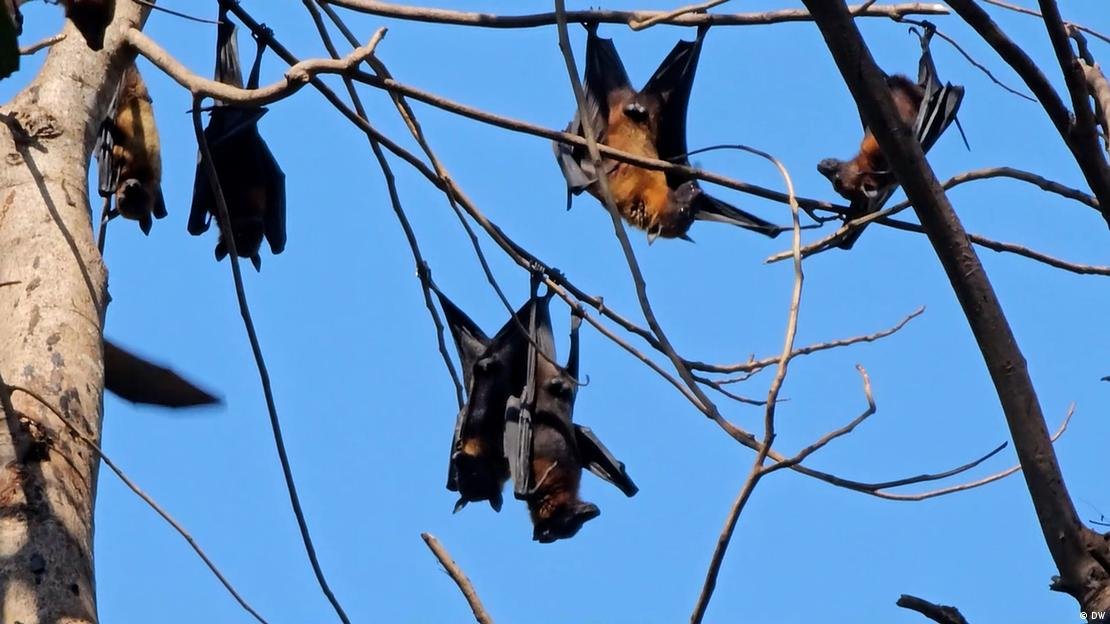
Transmission typically occurs through contact with infected animals, particularly fruit bats and pigs, or through contaminated food. While limited human-to-human transmission has been documented in previous outbreaks, the WHO has stated that there is currently no evidence of increased person-to-person spread in the present situation in India.
Confirmed Cases and Contact Tracing in India
The two confirmed cases involve healthcare workers—a 25-year-old man and a 25-year-old woman—employed at a private hospital in Barasat, approximately 20 kilometres north of Kolkata. Both individuals developed symptoms in early December and were isolated in early January.
Laboratory confirmation was provided by India’s National Institute of Virology on 13 January, with the cases officially reported to the WHO on 26 January. As a precautionary measure, Indian authorities have placed approximately 190 individuals under medical surveillance due to close contact with the infected patients.
The Indian Ministry of Health has also reinforced infection control protocols in hospitals across the affected area, mandating the use of full personal protective equipment (PPE) for healthcare personnel amid concerns about potential human-to-human transmission.
Historical Context of Nipah Virus in India
India has experienced previous Nipah outbreaks, notably in West Bengal in 2001 and 2007, which resulted in at least 50 deaths. Since 2018, most reported cases have occurred in the southern state of Kerala, where the most recent outbreak in July 2025 led to three infections and two fatalities.
These recurring events highlight the virus’s persistence in certain regions and underscore the importance of sustained epidemiological vigilance.
Regional Response Across Asia
Concerns over possible regional spread have extended beyond India. Several Asian territories, including Thailand, Nepal and Hong Kong, have activated screening protocols at selected airports. These measures include temperature checks and health declaration forms for travellers arriving from affected areas.
In China, no Nipah virus infections have been detected to date. However, Chinese health authorities have acknowledged the risk of imported cases, particularly with the approach of the Lunar New Year travel season, one of the largest annual population movements globally. During this period, known as chunyun, billions of domestic journeys and significant international travel are expected.
Chinese medical experts have urged calm, emphasising the country’s technological capacity to monitor and respond rapidly to emerging infectious threats. They maintain that the likelihood of a domestic outbreak remains low.
Balancing Vigilance and Public Reassurance
While social media discussions in China and elsewhere in Asia have amplified public concern, health professionals stress that existing surveillance systems and international coordination significantly reduce the risk of uncontrolled spread. The WHO continues to advocate for evidence-based communication, early detection and strict infection control as the most effective tools against the Nipah virus.
The current situation, experts agree, reinforces the importance of regional cooperation, transparent reporting and sustained public health preparedness to prevent localised outbreaks from escalating into broader health emergencies.