

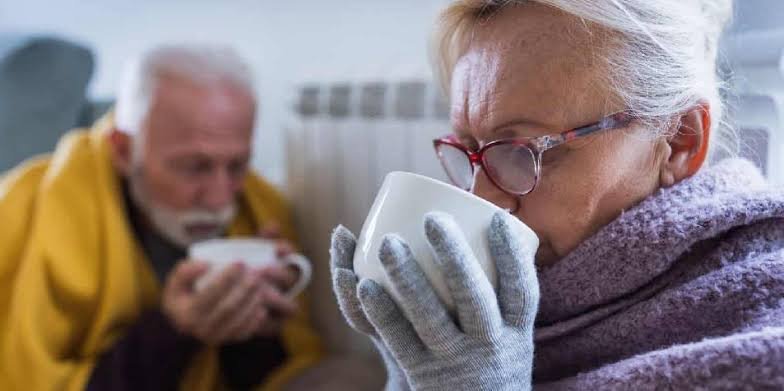

A recent scientific investigation conducted in the United States is reshaping current understanding of why respiratory infections such as influenza and COVID-19 tend to be more severe in individuals over the age of 65. The study, led by researchers at the University of California, San Francisco and published in Immunity, suggests that age-related changes in lung tissue play a critical role in amplifying disease severity.
Beyond a Declining Immune System
For decades, the increased vulnerability of older adults to respiratory infections has been largely attributed to a gradual weakening of the immune system. However, the new findings indicate that this explanation is incomplete.
Researchers observed that ageing lungs respond differently to viral infections. Instead of resolving inflammation once the pathogen is controlled, lung tissues in older individuals tend to sustain and intensify inflammatory processes, leading to prolonged tissue damage.
Altered Cellular Behaviour in Ageing Lungs
The study identified significant changes in the behaviour of key structural and immune cells within the lungs. Fibroblasts—cells responsible for maintaining tissue integrity—appear to shift their function with age, contributing to heightened inflammatory responses rather than regulating them.
This altered environment affects interactions with immune cells such as macrophages and a specific subset of immune cells known as GZMK-positive cells. While these cells are typically involved in defence mechanisms, the research suggests that, in older lungs, they may inadvertently prolong inflammation rather than effectively resolving infection.
The Role of Chronic Inflammation in Ageing
This phenomenon aligns with the concept of Inflammaging, a well-documented process in which the body maintains a persistent low-grade inflammatory state. Such conditions can predispose individuals to exaggerated immune responses during acute infections.
A key molecular pathway identified in the study is the NF-kB signalling pathway, known to regulate inflammatory responses. In ageing lungs, activation of this pathway appears to recruit additional inflammatory cells, further intensifying tissue damage instead of promoting recovery.
Evidence from Clinical and Experimental Models
The research team validated their findings through both experimental models and analyses of human lung tissue. In laboratory settings, inducing age-like conditions in younger lung tissue reproduced similar inflammatory patterns, including increased accumulation of immune cells associated with severe disease.
Importantly, when specific inflammatory cell populations were reduced in these models, the extent of lung damage decreased significantly—even in the presence of infection. This suggests that disease severity is not solely determined by the virus itself, but also by the host’s biological response.
Observations in older patients with severe respiratory infections revealed comparable patterns, including persistent inflammation even after viral clearance. This may help explain prolonged recovery and complications frequently observed in elderly populations.
Implications for Future Treatment Strategies
The findings from the United States point towards a potential shift in therapeutic approaches. Rather than focusing exclusively on antiviral treatments, future interventions may also aim to regulate the body’s inflammatory response.
Strategies under investigation include targeting specific immune cell populations or modulating inflammatory signalling pathways such as NF-kB. These approaches could help reduce tissue damage and improve recovery outcomes in older patients.
Conclusion
This study provides important insight into the biological mechanisms underlying severe respiratory infections in older adults. It highlights that the ageing lung is not merely less effective at fighting infection, but may actively contribute to disease progression through dysregulated inflammation.
As populations continue to age globally, understanding these mechanisms will be essential for developing more effective treatments and improving clinical outcomes for respiratory illnesses.