

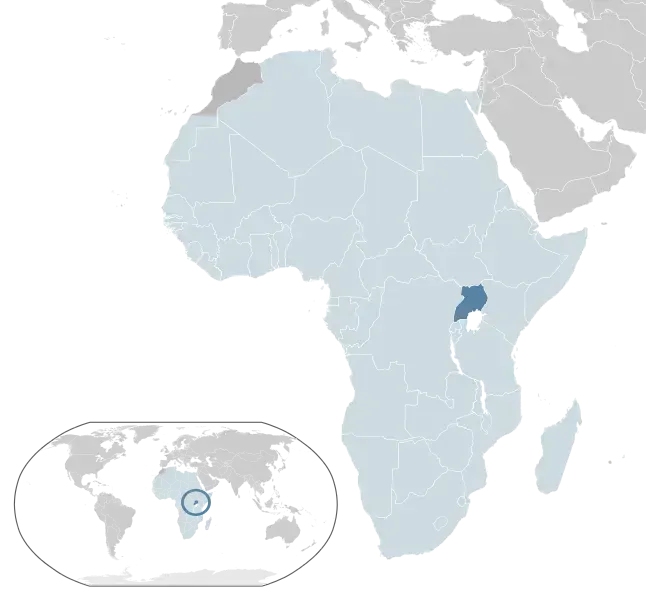

Health officials in Uganda are assessing reports of a possible case of Marburg virus disease (MVD) in the western part of the country. At present, Ugandan authorities have not officially confirmed the infection, and no public declaration of a Marburg outbreak has been issued.
The reports have nevertheless attracted international attention because Uganda is already managing an ongoing response to Ebola virus disease. If laboratory confirmation were to establish the presence of Marburg virus, the country could face the complex challenge of responding to two separate viral haemorrhagic fever threats simultaneously.
Marburg Virus: A Serious Viral Haemorrhagic Fever
Marburg virus disease is a severe illness caused by the Marburg virus, a member of the same virus family as Ebola. According to the World Health Organization (WHO), the disease can cause high fever, severe headache, muscle pain and, in advanced cases, internal and external bleeding.
The virus spreads through direct contact with the blood, bodily fluids or contaminated materials associated with infected individuals. Fruit bats are recognised as the natural reservoir of the virus, and outbreaks have previously been linked to exposure in caves or mines inhabited by these animals.
Because of its potential severity, suspected cases require immediate laboratory investigation, patient isolation, contact tracing and strict infection prevention measures to reduce the risk of further transmission.
No Official Confirmation Has Been Issued
Although reports of a suspected case have emerged, the Government of Uganda has not publicly confirmed a diagnosis of Marburg virus disease.
Public health experts emphasise that suspected cases of viral haemorrhagic fever often undergo extensive laboratory testing before confirmation. Several infectious diseases can initially present with similar clinical features, making laboratory diagnosis essential before declaring an outbreak.
Health authorities typically rely on specialised molecular testing, including reverse transcription polymerase chain reaction (RT-PCR), to confirm infection.
Preparedness Remains Essential
Uganda has developed substantial experience in responding to viral haemorrhagic fevers following previous outbreaks of both Ebola and Marburg virus disease. National surveillance systems, laboratory capacity and rapid response teams have been strengthened through collaboration with international public health organisations.
These preparedness measures are designed to enable rapid identification of suspected cases, prompt isolation of patients and monitoring of close contacts should confirmation occur.
International health agencies continue to encourage vigilance while avoiding unnecessary speculation until official laboratory results become available.
Potential Public Health Implications
If the suspected infection is confirmed, Uganda would need to coordinate simultaneous responses to both Ebola and Marburg virus disease. Although the two viruses belong to the same family and share similar methods of transmission and infection control strategies, each outbreak requires independent surveillance, case management and epidemiological investigations.
Managing multiple public health emergencies at the same time places additional demands on healthcare systems, laboratory services, medical logistics and frontline healthcare workers.
Monitoring the Situation
Health authorities and international partners continue to monitor developments closely. At present, there is no official confirmation that a Marburg virus outbreak has begun in Uganda, and public health recommendations remain focused on surveillance, early detection and rapid investigation of any suspected cases.
Experts stress that transparent reporting, timely laboratory confirmation and coordinated public health action remain the most effective tools for limiting the spread of highly infectious viral haemorrhagic diseases and protecting affected communities.