

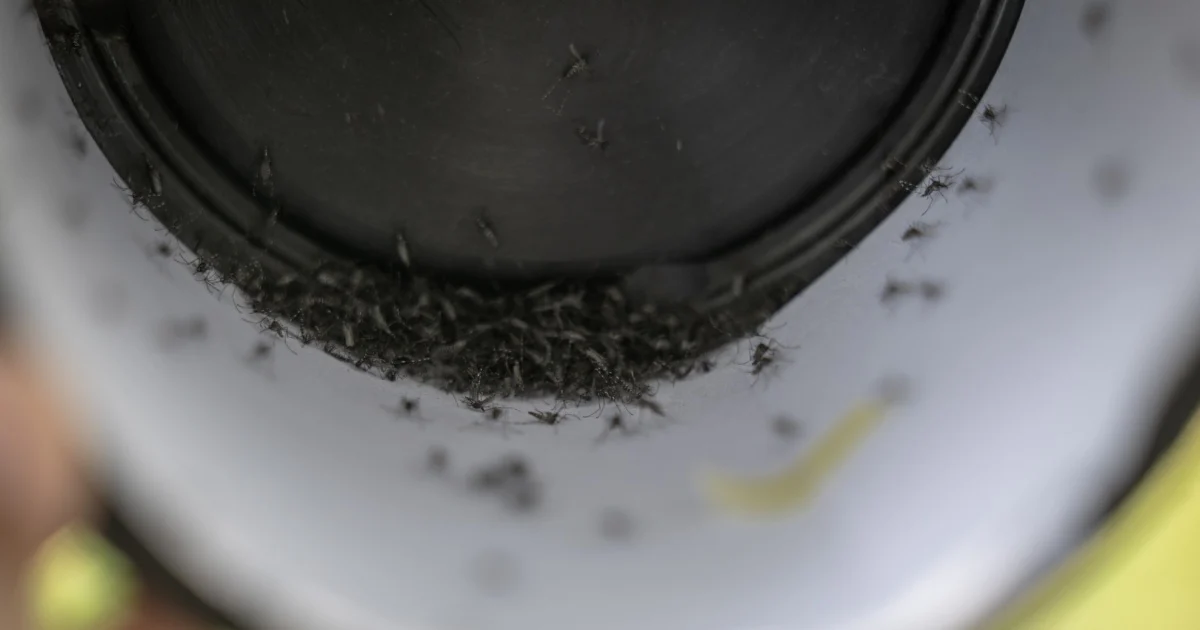

Public health experts in Switzerland are encouraging residents to remain vigilant against the Asian tiger mosquito (Aedes albopictus), despite widespread perceptions that the insect has become less common during the current summer. Specialists emphasise that the apparent decline is primarily the result of sustained mosquito control programmes rather than unusually high temperatures.
According to researchers involved in vector surveillance in the Swiss canton of Ticino, mosquito monitoring data indicate that current population densities remain broadly comparable with previous years. The success of integrated control strategies, particularly in urban areas, has helped prevent a significant increase in mosquito numbers.
Why Hot Weather Does Not Eliminate the Threat
Although very high temperatures may temporarily reduce mosquito activity during the hottest hours of the day, scientists explain that this does not mean the insects are disappearing. The Asian tiger mosquito is naturally adapted to warm and humid climates, having originated in tropical and subtropical regions.
Research published by organisations including the World Health Organization (WHO) has shown that Aedes albopictus thrives under favourable environmental conditions and can efficiently transmit viruses such as dengue, chikungunya and Zika where these pathogens are circulating. Consequently, periods of hot weather alone should not be viewed as an effective method of mosquito control.
Community Prevention Remains the Most Effective Defence
Swiss health authorities continue to stress that preventing mosquito breeding sites is one of the most effective ways to limit population growth. Even when relatively few adult mosquitoes are visible, larvae may still be developing in standing water.
Recommended preventive actions include:
Removing stagnant water from outdoor containers.
Regularly emptying plant saucers and buckets.
Keeping gutters and water collection systems clean.
Applying biological larvicides, such as Bacillus thuringiensis israelensis (Bti), in drainage systems or water reservoirs that cannot be emptied.
These measures interrupt the mosquito life cycle before adults emerge and are widely recognised as a cornerstone of integrated vector management.
Innovative Approaches Complement Traditional Control
In selected locations across Switzerland, researchers are also evaluating the Sterile Insect Technique (SIT), which involves releasing sterile male mosquitoes into the environment. Because these males cannot produce viable offspring after mating with wild females, the local mosquito population gradually declines over time.
Studies conducted internationally have demonstrated that SIT can significantly reduce mosquito numbers when combined with conventional control methods. However, Swiss experts underline that this technology is intended to complement—not replace—routine preventive measures carried out by both authorities and residents.
Long-Term Public Participation Is Essential
Health professionals caution against becoming complacent simply because fewer mosquitoes are currently being noticed. The breeding season continues throughout the warmer months, and abandoning preventive practices could quickly allow mosquito populations to increase again.
Experts conclude that successful mosquito management depends on sustained cooperation between public health authorities and local communities. Maintaining environmental hygiene, eliminating breeding sites and supporting evidence-based control programmes remain fundamental strategies for reducing mosquito-borne disease risks in Switzerland and other regions facing the spread of the Asian tiger mosquito.