

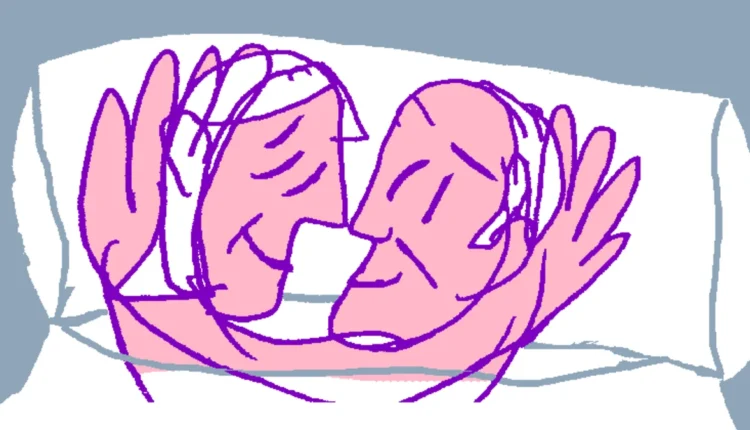
Healthcare and social specialists in Chile are drawing attention to sexual health among women aged over 60, identifying it as a frequently overlooked dimension of overall wellbeing. As Chile experiences rapid population ageing, professionals emphasise the need to broaden discussions about health in later life to include intimacy, emotional fulfilment and sexual autonomy.
Demographic data from Chile indicate that nearly one in five citizens is currently aged 60 or older, with projections suggesting that by 2050 this age group could account for approximately one-third of the country’s population. Despite this significant demographic transformation, experts argue that conversations surrounding older adults’ quality of life have not adequately addressed sexual wellbeing, particularly among women.
Cultural and Historical Influences on Sexual Expression
Research conducted in Chile suggests that many older women grew up in social environments where sexuality was rarely discussed openly and was often linked primarily to marital duties or reproduction. National evidence indicates that close to 90% of older adults report receiving little or no sexual education during childhood or adolescence. Specialists suggest that this absence of early dialogue may shape attitudes towards intimacy and bodily awareness later in life.
International gerontology studies, including findings published in The Journal of Sexual Medicine, reinforce that early sociocultural influences can significantly affect sexual health behaviour and confidence in older adulthood.
Sexual Activity and Emotional Intimacy in Later Life
Contrary to persistent stereotypes portraying older women as uninterested in sexuality, survey data from Chile reveal a different reality. The Sixth Quality of Life Survey in Older Age (2022) reported that a substantial proportion of individuals aged between 60 and 79 remain sexually active. Furthermore, more than 60% of respondents recognised sexuality as an important contributor to personal wellbeing.
Experts in Chile note that women often experience sexuality in later life through broader expressions of intimacy. These may include emotional closeness, physical affection, personal identity and self-exploration, rather than focusing solely on penetrative sexual activity. Academic literature from the World Health Organization supports the view that sexual health encompasses physical, emotional and relational components across all age groups.
Biological and Health-Related Challenges
Healthcare professionals in Chile highlight that physiological changes linked to the climacteric period and menopause can influence sexual health. Symptoms such as vaginal dryness, discomfort during intercourse, reduced libido and changes in body perception are commonly reported among older women.
Additionally, chronic health conditions prevalent in older populations, including hypertension and diabetes, may contribute to reduced sexual function. Studies published in Menopause: The Journal of The North American Menopause Society confirm that both underlying illnesses and their treatments can influence sexual satisfaction and overall quality of life in postmenopausal women.
Lack of Sexual Education and Preventive Awareness
One of the most concerning findings reported by experts in Chile is the limited availability of sexual health education for older adults. National studies suggest that many women over 60 receive little guidance from healthcare systems regarding sexual wellbeing. Furthermore, the low use of barrier protection methods among older populations has raised concerns about vulnerability to sexually transmitted infections (STIs), indicating a combination of insufficient information and reduced perception of risk.
Specialists attribute this gap partly to limited professional training and persistent age-related misconceptions that consider sexuality irrelevant in older adulthood.
A Human Rights Perspective on Healthy Ageing
Public health authorities and policy analyses in Chile, including guidance from the National Service for Older Adults (SENAMA), emphasise that sexual wellbeing is an integral element of dignified and healthy ageing. Experts argue that ignoring this aspect of health may constitute a form of age-related discrimination, as it restricts access to information, healthcare support and personal autonomy.
Promoting Education and Inclusive Healthcare Strategies
Healthcare specialists in Chile advocate the development of targeted sexual education initiatives for women aged over 60. These programmes should incorporate gender-sensitive approaches, recognise life-course experiences and emphasise individual rights. According to experts, structured educational spaces could improve awareness, strengthen autonomy, encourage preventive care and enhance overall quality of life.
As Chile continues to adapt to its ageing population, specialists stress that recognising sexual health as a legitimate component of wellbeing is essential. Ensuring access to accurate information, professional support and open dialogue may help older women maintain dignity, autonomy and emotional fulfilment throughout later life.