

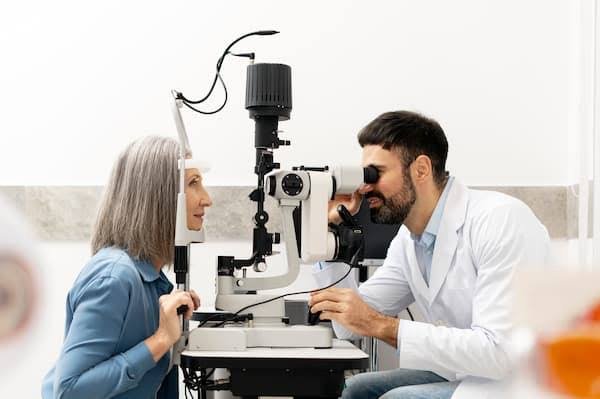

Regular eye examinations play a vital role in preserving vision and identifying ocular diseases before symptoms become apparent. Many common eye conditions develop gradually, making early detection essential for preventing irreversible visual impairment.
According to the World Health Organization (WHO), at least one billion cases of vision impairment worldwide could have been prevented or have yet to be addressed through timely diagnosis and appropriate treatment.
Early Detection Improves Outcomes
Comprehensive eye examinations evaluate visual acuity alongside the health of structures such as the retina, optic nerve, cornea and lens. These assessments allow ophthalmologists to detect conditions including glaucoma, cataracts, diabetic retinopathy and age-related macular degeneration.
Because several of these diseases may progress without pain or obvious symptoms, routine screening remains one of the most effective preventive measures.
Digital Eye Strain and Modern Lifestyles
Increasing use of computers, smartphones and other digital devices has contributed to a rise in symptoms collectively known as digital eye strain. Common complaints include dry eyes, blurred vision, headaches and visual fatigue.
Eye specialists recommend regular breaks during prolonged screen use, appropriate lighting, correct viewing distance and adequate lubrication when necessary to reduce discomfort.
Protecting Vision Every Day
Maintaining eye health also involves wearing sunglasses that provide ultraviolet (UV) protection, controlling chronic conditions such as diabetes and hypertension, avoiding smoking and following a balanced diet rich in antioxidants and omega-3 fatty acids.
Ophthalmologists advise routine eye examinations throughout life, with frequency depending on age, existing medical conditions and individual risk factors, ensuring that any developing eye disease can be identified and managed as early as possible.