

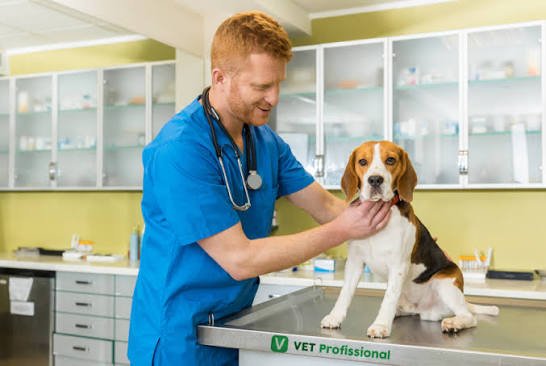

Preventive healthcare has become one of the most important aspects of modern veterinary medicine. Rather than treating illnesses only after clinical signs appear, veterinarians increasingly focus on preventing disease through regular examinations, vaccination programmes, nutritional guidance and parasite control.
According to the World Organisation for Animal Health (WOAH) and the World Small Animal Veterinary Association (WSAVA), routine veterinary care contributes significantly to improving both the quality and longevity of companion animals. Early diagnosis often allows diseases to be managed more effectively before irreversible damage occurs.
The Importance of Regular Health Assessments
Annual or biannual veterinary examinations enable professionals to monitor body weight, dental health, heart function, skin condition and musculoskeletal health. Many chronic diseases, including kidney disease, diabetes and arthritis, may develop gradually without obvious symptoms during their early stages.
Veterinarians can also recommend age-appropriate screening tests, particularly for senior pets, helping identify conditions before they become clinically advanced.
Vaccination and Parasite Prevention
Vaccination remains one of the most effective tools for protecting animals against infectious diseases. International veterinary guidelines recommend vaccination schedules based on each animal's lifestyle, age and individual risk factors.
Equally important is year-round parasite prevention. Fleas, ticks and intestinal parasites not only affect animal health but may also transmit diseases to humans, reinforcing the importance of a One Health approach linking animal and public health.
Nutrition as Part of Preventive Medicine
Balanced nutrition is fundamental throughout every stage of an animal's life. Maintaining an appropriate body weight reduces the likelihood of obesity-related disorders, including diabetes, joint disease and cardiovascular complications.
Veterinary professionals increasingly tailor dietary recommendations according to breed, age, activity level and existing medical conditions, supporting healthier ageing and improved wellbeing.