

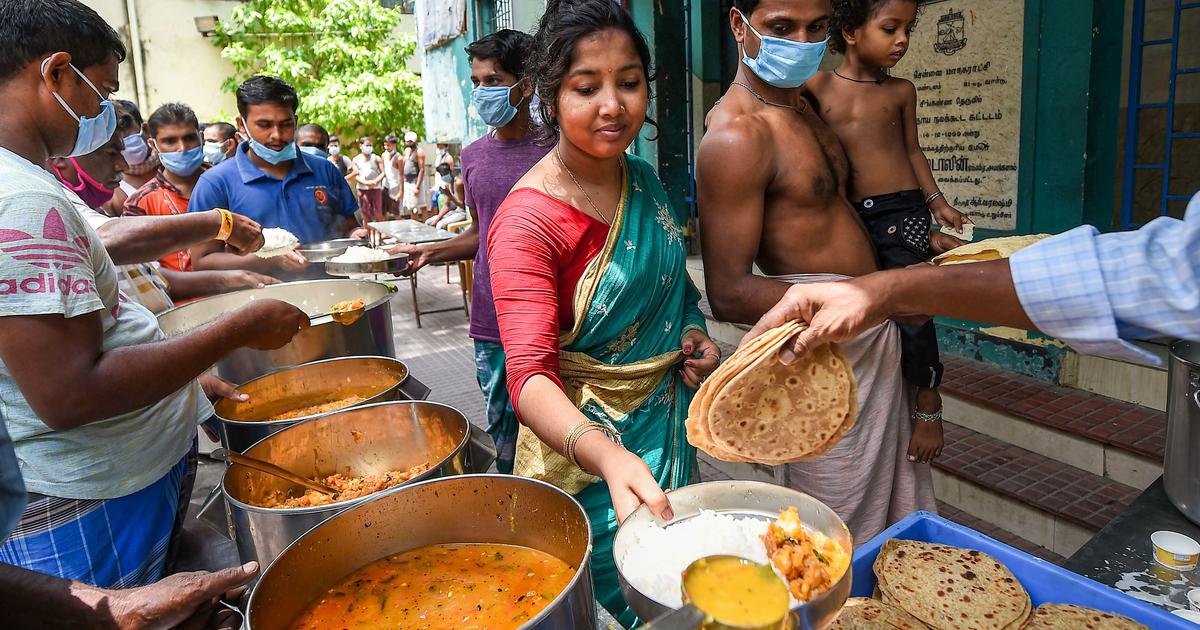

India presents one of the most complex nutritional landscapes in the world, characterised by what public health experts describe as a “double burden” of malnutrition. On one hand, undernutrition and micronutrient deficiencies remain prevalent in rural and economically disadvantaged populations. On the other, rapid urbanisation and economic development have led to a sharp increase in obesity, type 2 diabetes and cardiovascular diseases.
Traditional Indian diets have historically been rich in plant-based foods, including legumes, whole grains, vegetables and a diverse array of spices known for their anti-inflammatory and antioxidant properties. However, dietary patterns are undergoing significant transformation, particularly in urban areas, where processed and convenience foods are becoming more common.
Nutritionists in India are increasingly focused on bridging the gap between traditional dietary wisdom and modern nutritional science. Public health campaigns promote balanced meals, portion control and the reduction of refined carbohydrates and saturated fats. At the same time, there is growing emphasis on the importance of micronutrients such as iron, vitamin A and iodine, particularly in maternal and child health.
Government-led initiatives, including national nutrition programmes, aim to address undernutrition through supplementation and education. These programmes often target vulnerable groups, including pregnant women and young children, with the goal of improving long-term health outcomes.
In urban settings, the rise of lifestyle-related diseases has led to increased demand for personalised nutrition counselling. Nutritionists are working with individuals to manage conditions such as diabetes and hypertension through dietary interventions, often incorporating culturally appropriate foods to ensure adherence.
The coexistence of these contrasting challenges makes India a unique case study in global nutrition, highlighting the need for multifaceted strategies that address both scarcity and excess.