

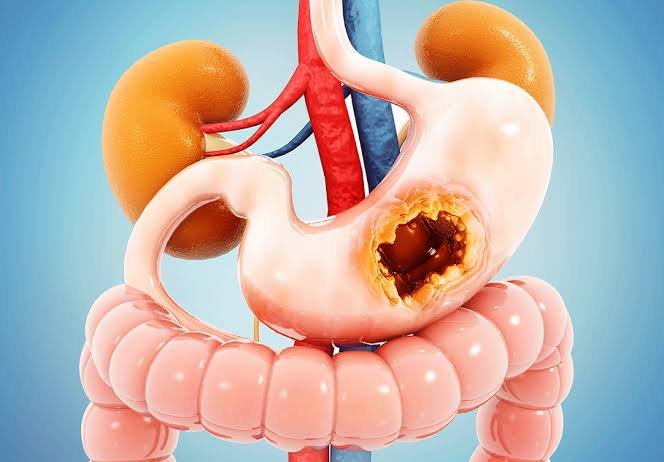

Researchers in Canada have uncovered important biological mechanisms that help stomach cells recover after injury, providing new evidence that incomplete tissue repair may increase susceptibility to gastric cancer. The study, led by scientists at The Hospital for Sick Children (SickKids) in Toronto and published in the peer-reviewed journal Developmental Cell, advances understanding of how normal regeneration is regulated and how its disruption may contribute to cancer development.
The findings suggest that successful recovery following tissue damage is as important as the regenerative process itself, highlighting potential new avenues for future cancer research.
The Stomach's Constant Need for Repair
The stomach lining is one of the body's most active tissues, continuously renewing itself to withstand exposure to food, digestive enzymes and highly acidic gastric secretions. This rapid regeneration is essential for maintaining the integrity of the stomach wall and preventing ulcers or other forms of injury.
However, frequent cell renewal also requires tightly controlled biological processes. Scientists have long recognised that excessive or abnormal regeneration can contribute to tumour formation, but the mechanisms responsible for returning cells to a stable, healthy state have remained poorly understood.
To investigate this process, researchers examined individual stomach cells using advanced single-cell genomic technologies capable of simultaneously analysing gene activity and DNA regulation.
A Gene Involved in Tissue Recovery
The research identified a protein complex known as the BAF chromatin remodelling complex, which becomes active during the recovery phase following stomach injury. Within this complex, investigators focused on the ARID1A gene, one of the genes most frequently altered in gastric cancer.
Rather than immediately triggering tumour formation, experimental removal of ARID1A prevented damaged stomach cells from completing the recovery process. The affected cells remained trapped in a prolonged regenerative state, unable to fully restore their normal identity and function.
These findings suggest that ARID1A plays a crucial role in helping regenerating stomach tissue return to a healthy physiological condition after injury.
Cancer Risk Depends on Multiple Factors
The investigators found that persistent regeneration alone did not produce cancer. However, when disruption of ARID1A occurred alongside the loss of TP53—a tumour suppressor gene commonly altered in many cancers—the combination resulted in the development and spread of gastric cancer in experimental models.
This observation supports the widely accepted concept that cancer usually develops through multiple interacting genetic and environmental factors rather than from a single genetic alteration.
According to the researchers, the tissue environment surrounding cells appears to be a critical determinant of whether cancer-related genetic changes ultimately lead to tumour formation.
Implications for Regenerative Medicine
The study also carries important implications for regenerative medicine, a rapidly expanding field that seeks to repair or replace damaged tissues.
While stimulating tissue regeneration offers considerable therapeutic potential, the researchers emphasise that equally important is understanding how regeneration concludes and how cells successfully regain their specialised functions. Failure to complete this recovery process may create biological conditions that favour future cancer development.
These findings reinforce the importance of balancing tissue repair with mechanisms that restore long-term cellular stability.
Future Directions in Gastric Cancer Research
The Canadian research team believes that a better understanding of cellular recovery mechanisms could eventually support the development of strategies aimed at reducing gastric cancer risk, particularly in individuals carrying genetic alterations associated with the disease.
Although the findings were generated through experimental laboratory models and require further investigation before clinical application, they provide valuable insight into one of the fundamental biological processes underlying gastric tissue health.
As scientists continue to explore the relationship between regeneration, genetic regulation and cancer biology, this research offers a promising foundation for future studies seeking to improve the prevention and treatment of gastric cancer in Canada and worldwide.