

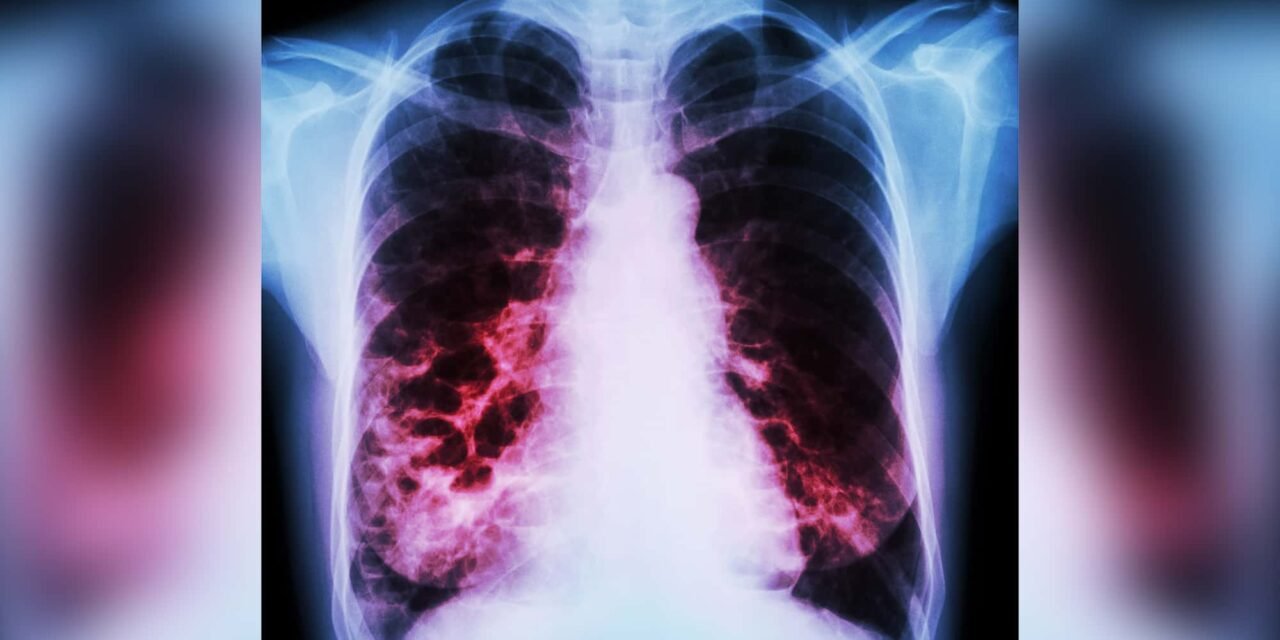

An international team of researchers has reported that the coexistence of bronchiectasis and diabetes is linked to significantly worse health outcomes than bronchiectasis alone. The findings, published in The Lancet Respiratory Medicine, are based on data collected from four large bronchiectasis registries spanning Europe, India, China and Australia, providing one of the most comprehensive assessments of this patient population to date.
The study highlights the importance of recognising diabetes as a key factor influencing the progression of bronchiectasis and suggests that patients with both conditions may benefit from closer clinical monitoring and multidisciplinary care.
Large international analysis reveals consistent pattern
The research analysed information from 30,263 adults with computed tomography (CT)-confirmed bronchiectasis. Of these, approximately 8% were also diagnosed with diabetes.
Across all participating countries, individuals with both conditions consistently experienced more severe illness than those without diabetes. They were more likely to have additional chronic diseases, including cardiovascular disorders, asthma, chronic obstructive pulmonary disease (COPD), chronic kidney disease, osteoporosis and certain forms of cancer.
The investigators also observed poorer lung function, greater breathlessness and higher Bronchiectasis Severity Index scores among patients living with diabetes.
Greater frequency of exacerbations and hospital admissions
One of the most significant findings was the increased burden of respiratory complications experienced by patients with both diseases.
Compared with participants without diabetes, individuals with diabetes experienced more frequent exacerbations requiring medical attention and were admitted to hospital more often because of worsening respiratory symptoms. These differences remained evident after accounting for factors such as body mass index (BMI), indicating that the increased risk was not explained solely by obesity.
Researchers noted that recurrent exacerbations are known to accelerate disease progression in bronchiectasis, making prevention and early intervention essential components of long-term management.
Higher mortality observed during follow-up
Long-term follow-up data were available for more than 11,000 participants. During the observation period, diabetes was associated with a markedly higher risk of death from all causes over five years.
Importantly, this increased mortality remained statistically significant even after adjusting for other recognised risk factors, including impaired lung function, cardiovascular disease, body weight and chronic bacterial infection.
The findings suggest that diabetes independently contributes to poorer prognosis in people living with bronchiectasis.
Evidence of biological differences
Beyond clinical outcomes, the investigators identified notable biological differences between patients with and without diabetes.
Microbiological analyses showed that people with diabetes were more likely to harbour certain respiratory bacteria, including Haemophilus influenzae, Moraxella catarrhalis and members of the Enterobacteriaceae family. In addition, detailed microbiome analysis demonstrated measurable differences in the composition of airway microorganisms.
Blood testing also revealed increased concentrations of specific inflammatory and metabolic biomarkers, including Galectin-4 (Gal-4) and Growth Differentiation Factor-15 (GDF-15), suggesting that diabetes may influence inflammatory pathways involved in bronchiectasis.
Implications for clinical care
The researchers conclude that diabetes should be considered an important prognostic factor when assessing patients with bronchiectasis. Early identification and effective management of diabetes may help clinicians better stratify patient risk and optimise long-term care.
Although the study did not find significant differences in outcomes related to metformin use or between Type 1 and Type 2 diabetes within the available datasets, the authors emphasise that further research is needed to determine whether targeted therapeutic approaches could improve outcomes in this high-risk population.
The findings reinforce the importance of integrated management involving respiratory specialists, endocrinologists and primary care teams to address both pulmonary disease and metabolic health. As bronchiectasis continues to gain recognition as a chronic respiratory condition with complex systemic effects, understanding the impact of accompanying diseases such as diabetes may play a crucial role in improving survival and quality of life.