


The XXXVI Brazilian Congress of Neurosurgery (CBN26), scheduled to take place in Rio de Janeiro, Brazil, will feature a specialised practical immersion course on 11 August, dedicated to advancing modern spinal surgery techniques. Organised by Surg+, the programme will bring together neurosurgeons for an intensive hands-on training experience designed to enhance technical expertise in minimally invasive spine surgery.
The course will be coordinated by neurosurgeon Haroldo Chagas, who has developed the programme around a laboratory-based Pig Lab model, allowing participants to practise surgical techniques using living tissue in a controlled educational environment. The practical format aims to bridge the gap between theoretical knowledge and real-world surgical application.
Throughout the immersion, attendees will rotate through several learning stations covering some of the most advanced procedures currently used in spinal neurosurgery. These include Transforaminal Endoscopy, Interlaminar Endoscopy, Unilateral Biportal Endoscopy (UBE) and the use of Expandable Interbody Cages, all of which have become increasingly important in the treatment of spinal disorders while minimising tissue damage and reducing patient recovery times.
According to the organisers, the programme has been designed to encourage the exchange of clinical experience among specialists while providing participants with direct exposure to emerging surgical approaches. The initiative reflects the growing adoption of less invasive techniques and new technologies in spinal care, which continue to reshape neurosurgical practice both in Brazil and internationally.
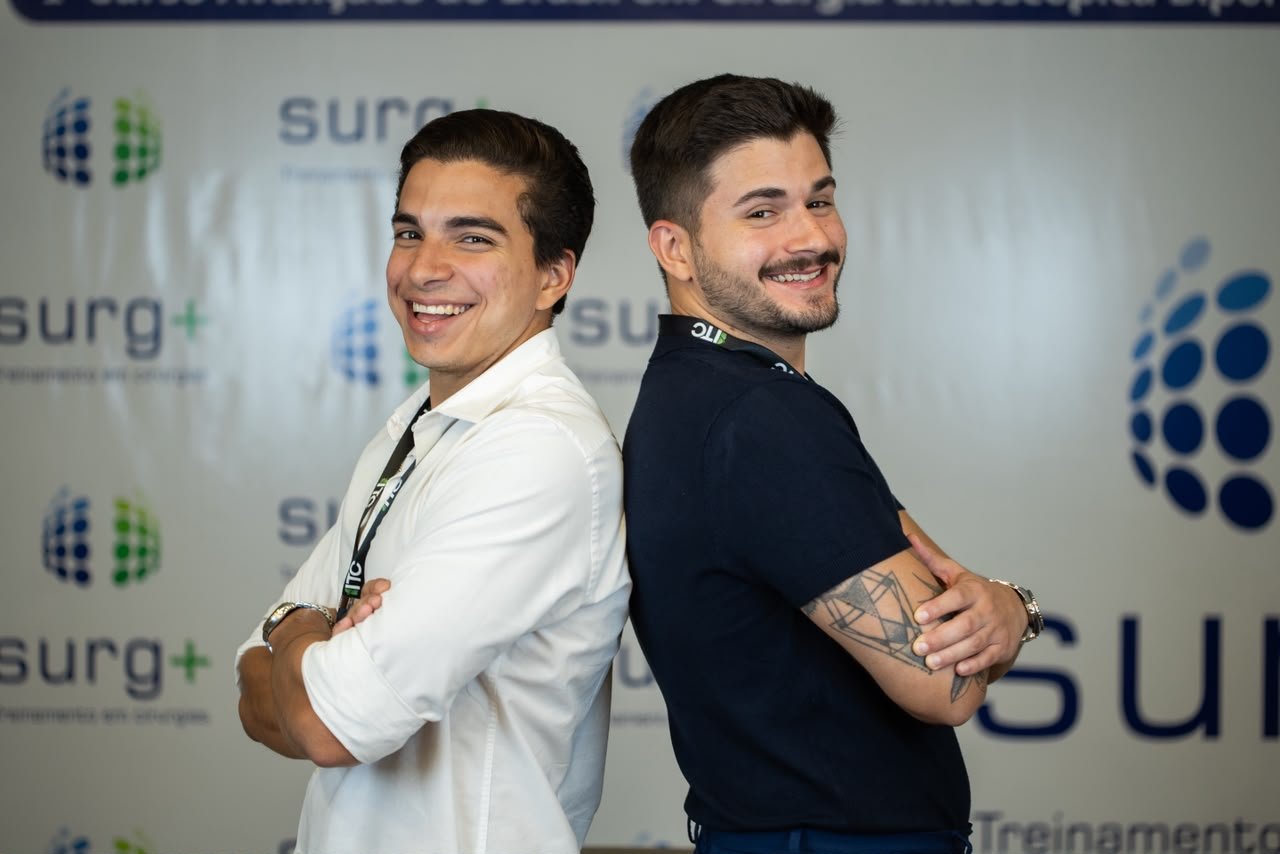
Among those leading the initiative are Surg+ founders Henrique Magno and Bernardo Soares, who emphasise that continuous medical education is essential in a specialty where surgical methods and technologies evolve rapidly.
Henrique Magno believes that practical training directly benefits patient care by enabling surgeons to refine their skills through collaborative learning.
“Medicine evolves every day, and keeping pace with this transformation requires continuous dedication. Training programmes like this allow specialists to discuss clinical cases, exchange experiences and refine techniques that make a real difference in surgical practice. Ultimately, patients benefit from procedures that are increasingly precise and less invasive.”
Bernardo Soares highlighted that the educational value of the programme extends beyond scientific updates, stressing the importance of practical experience in mastering complex surgical techniques.
“Hands-on practice is indispensable for consolidating knowledge. This immersion format, with a limited number of participants and multiple technical stations, provides an exceptionally rich learning experience. It offers an opportunity to deepen expertise in modern spinal surgery while helping raise the standard of Brazilian neurosurgery through safety, innovation and improved clinical outcomes.”
Medical education experts have consistently recognised that simulation-based surgical training enhances technical competence and confidence before procedures are performed on patients. Practical laboratory courses have become an increasingly important component of postgraduate neurosurgical education, particularly as minimally invasive techniques demand greater precision and specialised instrumentation.
The CBN26 scientific programme reflects the broader transformation taking place in spinal surgery, where technological innovation, refined surgical approaches and ongoing professional development are helping improve outcomes for patients with a wide range of spinal conditions. By combining evidence-based education with practical experience, Brazil continues to strengthen its contribution to advances in modern neurosurgery while fostering safer and more effective treatment options.