

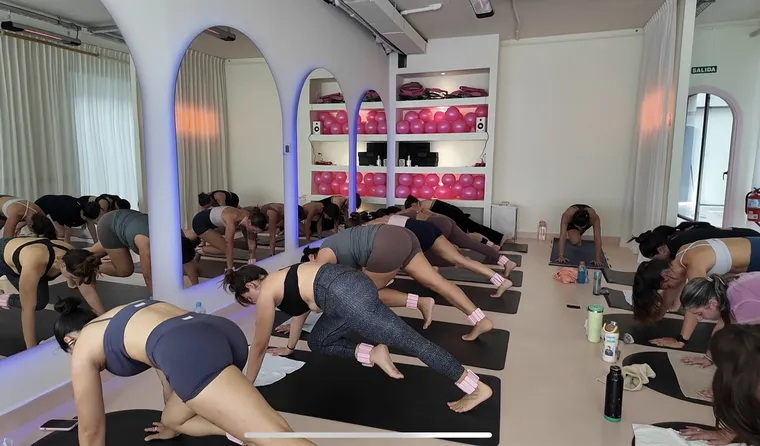

Hot Pilates, a fitness method that first gained popularity in the United States, has recently been introduced in Argentina, reflecting a growing global interest in exercise programmes that combine physical conditioning with mindfulness. The practice blends traditional mat Pilates with infrared-heated studios and functional movement, aiming to enhance flexibility, muscular endurance and overall wellbeing.
Originally inspired by the Pilates method developed by Joseph Pilates during the early twentieth century, this modern variation incorporates sessions performed in rooms heated to temperatures exceeding 35°C using infrared technology. Unlike conventional heating systems, infrared heat primarily warms the body directly rather than the surrounding air.
How Hot Pilates Differs from Traditional Pilates
Traditional mat Pilates focuses on controlled movement, posture, breathing and core muscle activation using body weight as resistance. Hot Pilates retains these principles while introducing a heated environment designed to increase muscle warmth during exercise.
Supporters of the method suggest that warmer muscles may move more comfortably through a greater range of motion, potentially improving flexibility and reducing feelings of stiffness during training. Infrared heat has also been investigated in rehabilitation settings because of its ability to promote blood circulation and temporary muscle relaxation.
However, researchers emphasise that many of the recognised health benefits are primarily linked to the exercise itself rather than the heated environment. The physiological effects of heat continue to be studied, and further research is required to determine its long-term advantages in healthy individuals.
Potential Physical and Mental Health Benefits
Regular Pilates practice is supported by scientific evidence demonstrating improvements in balance, posture, muscular strength, flexibility and core stability. Studies have also reported positive effects on chronic low back pain, physical function and quality of life across different age groups.
Training in a heated environment may produce additional physiological responses, including increased blood flow, mild cardiovascular stimulation and enhanced perspiration as the body regulates its temperature. Many participants also describe a sense of relaxation following sessions, although this experience varies between individuals.
Beyond physical conditioning, structured exercise programmes that combine movement with focused breathing and body awareness may contribute to stress reduction and improved psychological wellbeing. These benefits are consistent with broader evidence supporting regular physical activity as an important component of mental health.
Who Should Exercise with Caution?
Although Hot Pilates is generally considered suitable for many healthy adults, medical professionals recommend consulting a healthcare provider before participating in high-temperature exercise programmes, particularly for individuals with pre-existing medical conditions.
People with uncontrolled hypertension, cardiovascular disease, certain respiratory disorders or those who are pregnant should seek medical advice before exercising in heated environments. Adequate hydration before, during and after training is also considered essential to reduce the risk of dehydration and heat-related illness.
Experts further advise participants to recognise symptoms such as dizziness, nausea, excessive fatigue or light-headedness during exercise, as these may indicate heat stress and require immediate cessation of activity.
Growing Interest in Experiential Fitness
The arrival of Hot Pilates in Argentina reflects a wider international trend towards fitness experiences that integrate physical exercise with relaxation, music and immersive studio environments. While these innovations may enhance motivation and enjoyment for some participants, health specialists continue to emphasise that the most important factor remains engaging in regular, evidence-based physical activity that is appropriate for an individual's health status and fitness level.
As research into heated exercise continues to develop, Hot Pilates may become another option within the expanding range of structured exercise programmes designed to promote both physical fitness and overall wellbeing, provided it is practised safely and with appropriate professional guidance where necessary.