

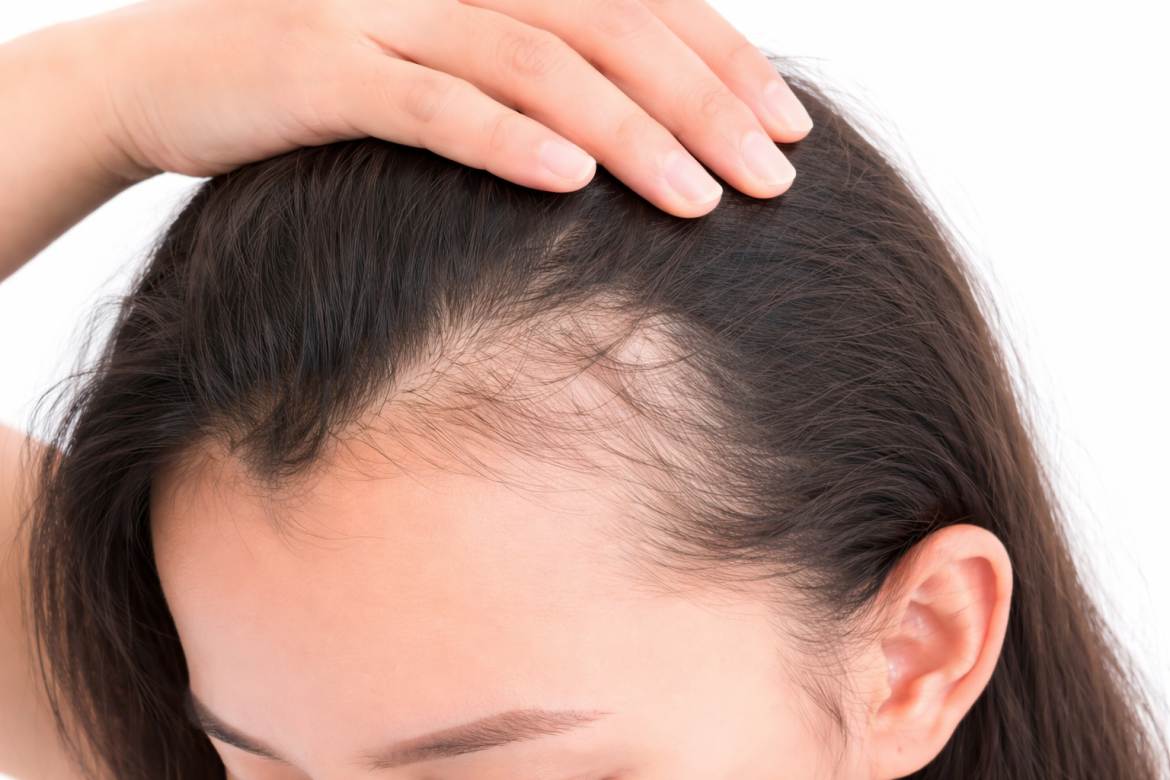
Healthcare specialists in Chile are raising awareness that hair loss in women is not solely determined by hereditary factors. Increasing clinical evidence suggests that lifestyle influences, nutritional deficiencies and prolonged stress may play substantial roles in hair thinning or shedding across different age groups.
Hair loss remains one of the most common reasons women seek dermatological and trichological consultations in Chile. Although genetic predisposition is often assumed to be the primary cause, experts explain that numerous less visible physiological and behavioural factors can directly affect follicular health.
Hair as an Indicator of Systemic Health
Medical professionals in Chile describe hair condition as a potential reflection of overall health status. Scientific literature supports that deficiencies in key nutrients—including proteins, iron, zinc, B-complex vitamins and vitamin D—can disrupt the natural hair growth cycle. According to research published in Dermatology and Therapy, insufficient intake of these nutrients may weaken hair follicles and contribute to increased hair shedding.
Specialists in Chile also warn that restrictive dieting and unbalanced nutrition are becoming increasingly linked to female hair loss. Such dietary patterns can interfere with follicular regeneration and prolong the resting phase of the hair cycle, leading to noticeable thinning over time.
The Influence of Chronic Stress
Clinicians in Chile identify sustained psychological or physical stress as another significant contributor to hair loss. Chronic stress has been associated with telogen effluvium, a condition characterised by widespread hair shedding that often develops several weeks or months after periods of intense emotional or physiological strain.
Scientific findings published in the Journal of Clinical Medicine indicate that stress-related hormonal changes may disrupt normal follicular activity, causing a greater proportion of hair strands to prematurely enter the shedding phase.
Advances in Diagnostic Evaluation
Healthcare centres in Chile highlight the importance of prompt and accurate diagnosis when patients present with hair loss. One of the most widely used modern diagnostic tools is trichoscopy, a non-invasive imaging technique that allows detailed visual assessment of the scalp and hair follicles through digital magnification.
Specialists explain that, when combined with clinical evaluation and laboratory testing, trichoscopy can provide valuable information regarding follicular density, scalp condition and the underlying causes of hair loss. This approach enables clinicians to differentiate between hormonal, nutritional, stress-related or other medical origins, supporting more personalised treatment strategies.
A Comprehensive Approach to Hair Restoration
Experts in Chile increasingly advocate a holistic approach to managing hair loss in women. Rather than focusing exclusively on cosmetic concerns, healthcare professionals emphasise the importance of addressing internal health factors that may be contributing to follicular dysfunction.
Recommended strategies commonly include improving dietary quality, correcting nutritional deficiencies, managing stress levels, ensuring adequate sleep and reviewing daily grooming habits. Medical specialists caution that excessive heat styling, tight hairstyles and other mechanical stressors can exacerbate hair fragility and should be carefully monitored.
Clinical observations from specialised treatment centres in Chile suggest that combining lifestyle modifications with professional medical assessment often produces favourable outcomes, particularly when intervention occurs during the early stages of hair loss.
Encouraging Early Medical Consultation
Healthcare experts in Chile stress that hair loss should not be considered a normal or inevitable occurrence, especially when symptoms appear suddenly or progress rapidly. Early evaluation allows clinicians to identify underlying causes and implement targeted therapies, which can improve long-term hair health outcomes.
As research continues to demonstrate the multifactorial nature of hair loss in women, specialists emphasise the importance of recognising hair health as part of overall physical and emotional wellbeing. In Chile, increasing awareness of these factors is encouraging a shift towards preventive care and personalised treatment, highlighting the need for women to seek professional guidance when experiencing noticeable changes in hair density or quality.