

Chronic obstructive pulmonary disease (COPD) continues to pose a significant public health challenge in Spain, where specialists warn that a large proportion of affected individuals remain unaware they have the condition. Despite being one of the leading causes of death worldwide, COPD receives comparatively limited public attention, contributing to delayed diagnosis and preventable disease progression.
Epidemiological data indicate that COPD is the fourth leading cause of mortality globally. In Spain, it is estimated to affect approximately 12% of adults aged between 40 and 80 years. Yet, according to respiratory medicine experts, underdiagnosis remains widespread, largely because early symptoms are easily mistaken for those of less serious respiratory conditions.
An irreversible disease driven primarily by tobacco use
COPD is characterised by chronic inflammation and narrowing of the airways, leading to persistent airflow limitation and progressive respiratory impairment. Specialists in Spain emphasise that the damage caused to lung tissue is irreversible, making early detection crucial.
The dominant risk factor is tobacco smoking, which accounts for the vast majority of cases. Long-term exposure to air pollution and certain genetic predispositions play a secondary role. As smoking patterns have changed over recent decades, the disease profile has also evolved. While COPD was once predominantly diagnosed in older men, a growing number of women in Spain are now affected, reflecting increased smoking rates among women from the 1970s onwards.
Symptoms that are often dismissed or misinterpreted
Typical manifestations of COPD include persistent cough, excess mucus production and breathlessness during routine activities, such as climbing stairs or walking uphill. These symptoms are non-specific and overlap with those of asthma, respiratory infections and even common colds.
Health professionals highlight a recurring behavioural pattern among patients, particularly smokers, who tend to normalise these warning signs. Breathlessness is often attributed to ageing, poor physical condition or the effects of smoking itself, delaying medical consultation and formal assessment.
As a result, specialists estimate that up to 75% of people living with COPD in Spain are undiagnosed, allowing the disease to advance silently over many years.
Spirometry: the cornerstone of early detection
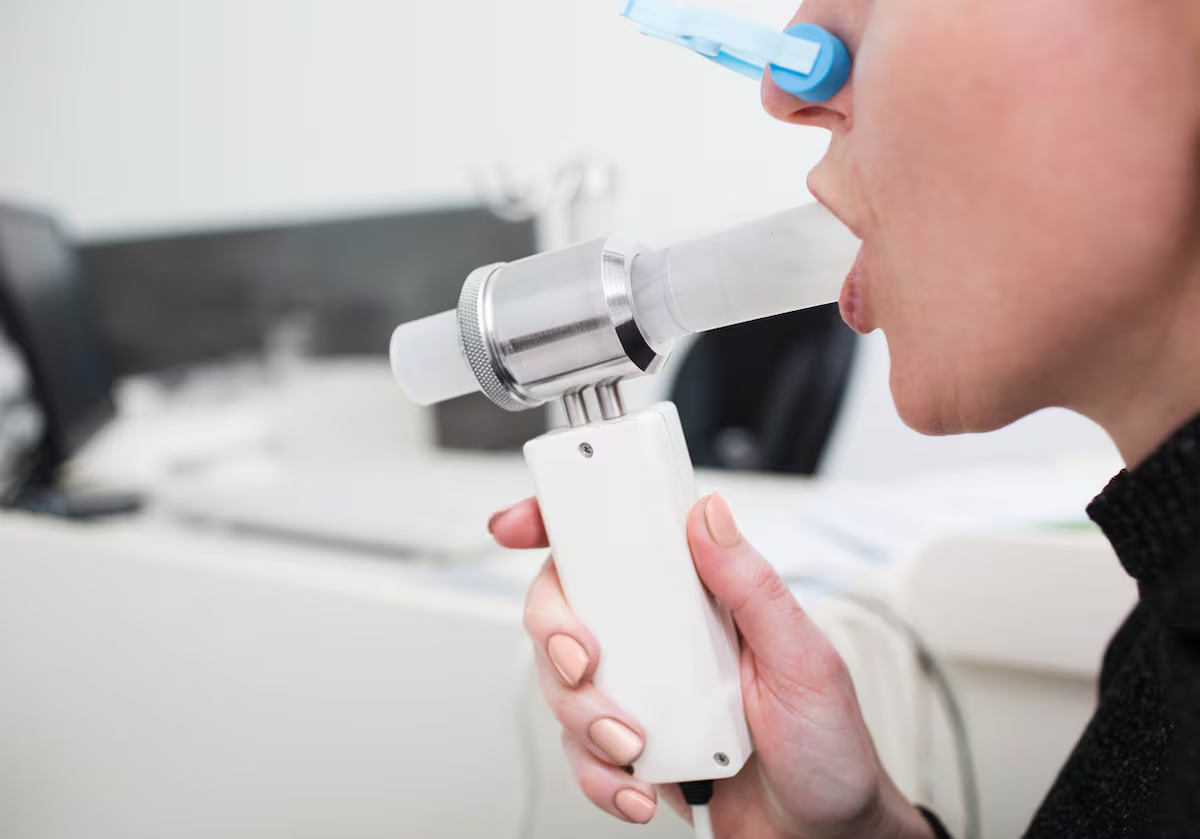
Medical consensus in Spain is clear: spirometry is currently the only diagnostic test capable of reliably identifying COPD. This simple, non-invasive examination measures lung capacity and the speed of air exhalation, enabling clinicians to detect airflow obstruction and assess disease severity.
Despite its effectiveness, access to spirometry remains uneven. Experts argue that the test should be routinely available in primary care settings, particularly for individuals over the age of 35 who smoke or have a history of smoking, regardless of whether they report symptoms.
European and international respiratory societies, supported by findings published in journals such as The European Respiratory Journal, consistently stress that early diagnosis through spirometry significantly improves long-term outcomes.
Health consequences beyond the lungs
In advanced stages, COPD can progress to respiratory failure, a condition in which the lungs are no longer able to adequately oxygenate the blood. The disease also increases vulnerability to other respiratory illnesses and is frequently associated with comorbidities such as ischaemic heart disease, obesity and metabolic disorders, further compounding health risks.
Although lung damage cannot be reversed, appropriate treatment can slow disease progression and markedly improve quality of life. Standard management includes bronchodilator medications, pulmonary rehabilitation programmes and, in severe cases, long-term oxygen therapy.
Prevention, screening and quality of life
Spanish respiratory specialists consistently underline that smoking cessation remains the most effective intervention. Quitting tobacco reduces symptoms, limits further lung damage and decreases the frequency of exacerbations, even though lost lung function cannot be restored.
In addition, patients are encouraged to adopt preventive measures such as regular physical activity, balanced nutrition and recommended vaccinations, which help reduce complications and hospital admissions.
Public health experts in Spain argue that expanding access to spirometry and increasing public awareness are essential steps in tackling COPD. Early screening allows the disease to be identified at milder stages, when interventions are most effective.
As specialists frequently remind patients and policymakers alike, in COPD care, time is lung function — and quality of life.