

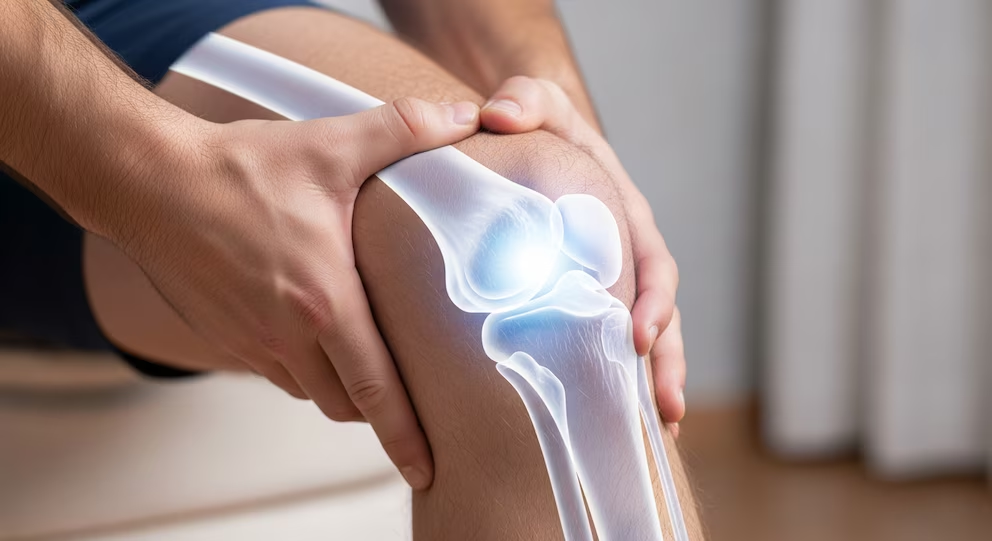
Health experts in Spain are drawing attention to the importance of bone quality in men over the age of 30, warning that skeletal strength may begin to decline silently during early adulthood. Specialists stress that maintaining bone health is essential for mobility, injury recovery and long-term quality of life.
According to medical professionals cited in health and lifestyle publications in Spain, deterioration in bone structure can occur gradually and often remains undetected until fractures, chronic discomfort or reduced mobility appear. Researchers and clinicians alike emphasise that preventive measures implemented during adulthood can significantly influence skeletal resilience later in life.
Understanding Bone Integrity Beyond Density
Experts in Spain explain that bone quality is a complex concept that encompasses not only mineral density but also structural composition, mechanical strength and regenerative capacity. Scientific studies in bone biology indicate that healthy bone tissue must be capable of absorbing mechanical stress, resisting fractures and repairing minor damage efficiently.
Men typically reach peak bone mass between the ages of 25 and 30. After this period, physiological processes begin to reduce bone density progressively, particularly if protective lifestyle measures are not adopted. This gradual decline can increase susceptibility to skeletal injuries and functional limitations in later adulthood.
Hormonal Changes and Their Influence on Skeletal Health
Specialists in Spain note that testosterone plays a crucial role in maintaining bone metabolism in men. Unlike the rapid decline in oestrogen observed in women during menopause, testosterone levels in men decrease more slowly with age. Nevertheless, research shows that even moderate hormonal reductions can negatively affect bone remodelling and mineral retention.
Medical literature published in journals such as Endocrine Reviews has demonstrated that testosterone contributes to bone formation and maintenance by regulating cellular processes responsible for skeletal regeneration. Reduced hormone levels may therefore increase the risk of bone fragility if preventive care is not prioritised.
Lifestyle Factors Accelerating Bone Loss
Healthcare professionals in Spain identify sedentary behaviour, inadequate nutrition, smoking and excessive alcohol consumption as significant contributors to declining bone quality. These habits can interfere with the body’s ability to maintain healthy bone turnover and may accelerate structural deterioration when present during adulthood.
Research conducted by the Universitat Rovira i Virgili and the Centro de Investigación Biomédica en Red (CIBER) in Spain highlights the protective benefits of combining regular physical activity with a calorie-controlled Mediterranean dietary pattern. The study found that such lifestyle modifications help preserve bone mineral density in older adults, suggesting potential benefits for men beginning preventive care after the age of 30.
Additional findings reported in international scientific and health publications indicate that resistance training and high-impact physical exercise can significantly increase bone density, particularly in weight-bearing areas such as the spine.
Nutritional Foundations for Long-Term Bone Strength
Medical specialists in Spain emphasise the essential role of vitamin D in bone health, as it facilitates calcium and phosphorus absorption while supporting muscular function. Adequate intake can be achieved through foods such as dairy products, oily fish, fortified foods, eggs and certain nuts, alongside safe and moderate sun exposure.
Protein intake is also considered fundamental for maintaining bone flexibility and structural stability. Experts further highlight the importance of minerals including magnesium, phosphorus and zinc, as well as vitamin K, all of which contribute to efficient bone metabolism and skeletal maintenance.
The Role of Exercise in Bone Preservation
Physical activity remains one of the most effective strategies for maintaining bone strength. Specialists in Spain recommend weight-bearing exercises such as walking, running, stair climbing and jumping, which stimulate new bone formation through mechanical loading.
Strength training using resistance equipment or body weight exercises is particularly effective when performed two to three times per week. Such training applies targeted pressure to skeletal structures, encouraging increased bone density and reinforcing structural stability.
Preventive Medical Monitoring
Healthcare professionals in Spain also underline the importance of routine medical evaluations after the age of 30 to detect early signs of bone deterioration. Preventive screening may include bone densitometry, particularly for individuals with family history, chronic illnesses or long-term medication use that may affect skeletal health.
Data from the Spanish Society of Rheumatology indicate that approximately 5.4% of men under 50 already present lower-than-expected bone mineral density for their age group. These findings reinforce the need for early monitoring and preventive healthcare strategies.
Promoting Lifelong Skeletal Health
Experts in Spain conclude that preserving bone quality from early adulthood represents a critical investment in long-term wellbeing. Strong bones not only reduce the likelihood of fractures but also support independence, physical performance and overall vitality throughout life.
With growing scientific evidence emphasising the connection between lifestyle, hormonal balance and bone health, healthcare professionals in Spain encourage men to adopt preventive strategies early, ensuring healthier ageing and improved quality of life in later years.