

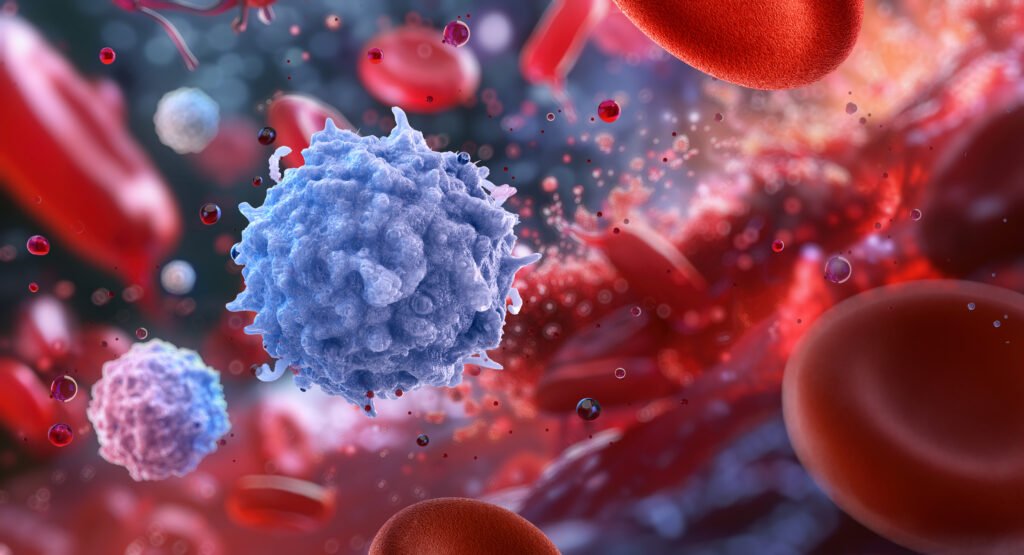
Specialists in Spain have raised awareness about the growing impact of blood-related cancers, warning that these diseases are projected to account for a significant proportion of cancer diagnoses nationwide. According to estimates from Spanish cancer registries, malignant haematological disorders are expected to represent approximately 10% of all new cancer cases in Spain in 2026, with around 28,000 newly identified patients.
These conditions collectively rank among the most frequently diagnosed cancers in Spain, following breast, lung, prostate and colorectal malignancies. The projection highlights the increasing relevance of haematological cancers as a major public health concern, particularly as healthcare systems seek to improve early diagnosis and therapeutic outcomes.
Expanding Awareness of Haematological Malignancies
Medical organisations in Spain, including the Spanish Society of Haematology and Haemotherapy, have intensified public information campaigns to increase awareness of blood cancers. Healthcare specialists note that these diseases are often less understood by the general population compared with solid tumours, which may delay recognition of symptoms and access to medical evaluation.
Blood cancers encompass a diverse group of conditions, including leukaemias, lymphomas, multiple myeloma and myelodysplastic syndromes. According to scientific literature published in journals such as Blood and reports from international oncology organisations, these malignancies arise from abnormal development of blood-forming cells and frequently require highly specialised diagnostic and treatment approaches.
Experts in Spain emphasise that improving public understanding is essential for facilitating earlier detection and reducing complications associated with delayed diagnosis.
Progress in Survival and Patient Outcomes
Healthcare data indicate that survival outcomes for blood cancers in Spain have improved considerably over recent decades. Current estimates suggest that approximately 63% of patients survive for at least five years following diagnosis, reflecting advances in targeted therapies, immunotherapy and supportive care.
International research supports these trends, demonstrating that personalised medicine and biological therapies have transformed treatment pathways for several haematological malignancies. Studies published by the European Society for Medical Oncology (ESMO) highlight that treatment strategies tailored to specific genetic and molecular characteristics of cancer cells have contributed to improved prognosis and quality of life for patients.
In Spain, medical professionals also point to progress in the management of conditions such as multiple myeloma, where innovative therapeutic strategies are increasingly enabling long-term disease control and, in selected cases, potential curative outcomes.
Continuing Scientific and Clinical Challenges
Despite notable advancements, haematologists in Spain stress that significant challenges remain, particularly in diseases where treatment options are still limited. Disorders such as myelodysplastic syndromes continue to require further scientific investigation, as current therapies do not consistently achieve durable remission.
Researchers underline that understanding the biological mechanisms underlying these disorders is essential for developing more effective treatments. Scientific evidence suggests that ongoing investment in translational research, clinical trials and molecular medicine is crucial for improving patient outcomes.
Importance of Equitable Access to Innovation
Another priority highlighted by healthcare specialists in Spain is ensuring equal access to advanced therapies across the healthcare system. Modern treatments, including cellular therapies and precision medicine approaches, have demonstrated substantial clinical benefits, but accessibility can vary depending on regional healthcare infrastructure and resource allocation.
Public health experts note that guaranteeing universal access to innovative treatments is fundamental to reducing disparities in survival outcomes and maintaining progress in cancer care.
Strengthening Early Detection and Research Investment
Medical professionals in Spain consistently emphasise that early diagnosis remains a cornerstone of effective cancer management. Evidence from oncology research demonstrates that earlier detection often allows for less aggressive treatment and significantly improved survival rates.
Healthcare organisations in Spain are therefore encouraging continued investment in public education, diagnostic technologies and scientific research. International cancer control strategies, supported by organisations such as the World Health Organization, reinforce the importance of integrating research, early detection and personalised treatment into national healthcare policies.
As Spain continues to address the growing burden of blood cancers, healthcare leaders stress that sustained commitment to innovation, education and equitable treatment access will be essential to further improving patient survival and quality of life.