

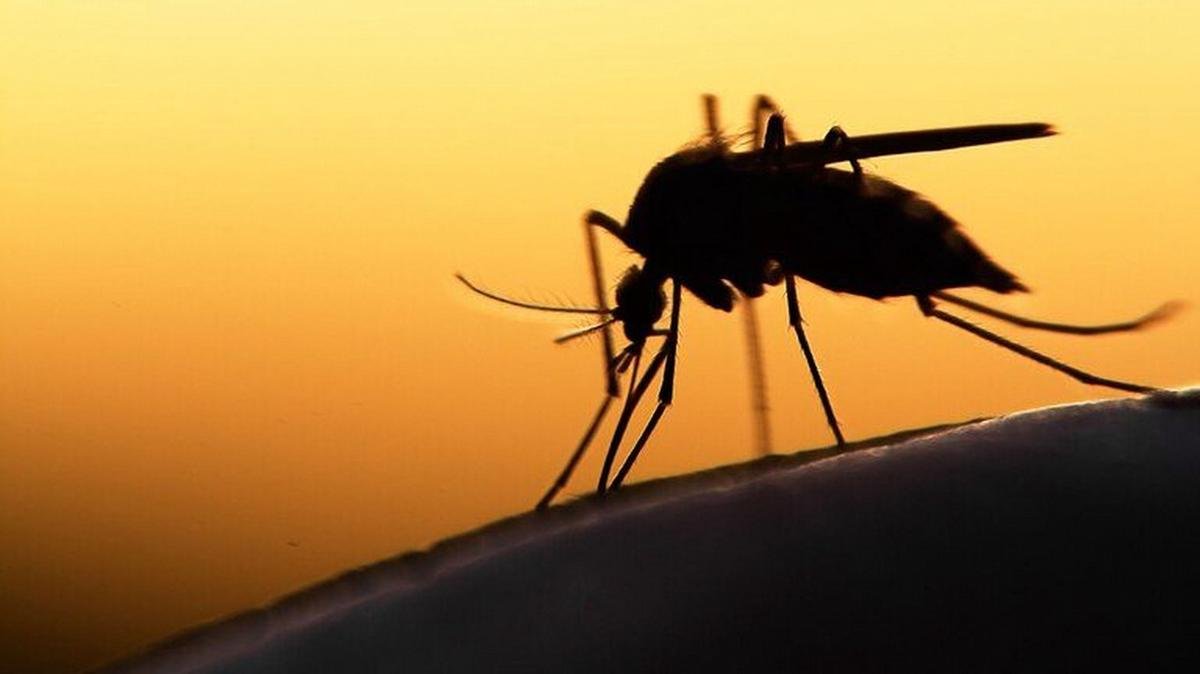

Public health officials in Argentina have confirmed an outbreak of Chikungunya in the province of Tucumán, prompting immediate intervention measures aimed at controlling transmission and protecting the population.
Rapid Response to Vector-Borne Threat
Following the identification of confirmed and suspected cases in the provincial capital, local health authorities initiated vector control operations focused on reducing the population of mosquitoes responsible for spreading the virus, primarily the Aedes species. These interventions are a standard public health response in regions affected by arboviral diseases, which include dengue and Zika.
Officials have implemented what is known as “focal control”, a targeted strategy that involves identifying and monitoring individuals presenting with febrile symptoms consistent with chikungunya infection. This approach also includes environmental inspections and elimination of mosquito breeding sites in areas surrounding confirmed cases.
Clinical Monitoring and Risk Assessment
Healthcare teams in Tucumán are actively evaluating suspected patients to determine the severity of infection, which can range from mild symptoms to more complex clinical presentations. While current reports indicate that most cases remain manageable without hospitalisation, authorities stress the importance of continuous monitoring to promptly identify any complications.
Chikungunya is characterised by symptoms such as fever, joint pain and fatigue, and although mortality rates are generally low, the disease can lead to prolonged joint discomfort and reduced quality of life in some patients.
Containment Through Community Surveillance
A key component of the response strategy in Argentina involves tracing and assessing individuals who may have been in close contact with confirmed cases. Health teams are conducting door-to-door evaluations in affected areas to identify additional individuals with recent or current fever, enabling early detection and reducing the risk of further transmission.
This proactive surveillance model aligns with recommendations from global health bodies, including the World Health Organization, which advocates for integrated vector management and community engagement in controlling mosquito-borne diseases.
Public Health Implications
The emergence of chikungunya in Tucumán reflects a broader regional challenge in Latin America, where climatic conditions and urban environments can facilitate the spread of mosquito-borne viruses. Public health experts emphasise that early intervention, combined with public awareness and environmental management, is critical to limiting outbreaks.
Conclusion
The current situation in Argentina highlights the importance of rapid, localised responses to emerging infectious diseases. By combining clinical surveillance with vector control and community engagement, health authorities in Tucumán aim to contain the outbreak effectively and prevent wider transmission.
Ongoing monitoring and adherence to preventive measures will be essential in safeguarding public health as the region continues to address the challenges posed by arboviral infections.